September 17, 2026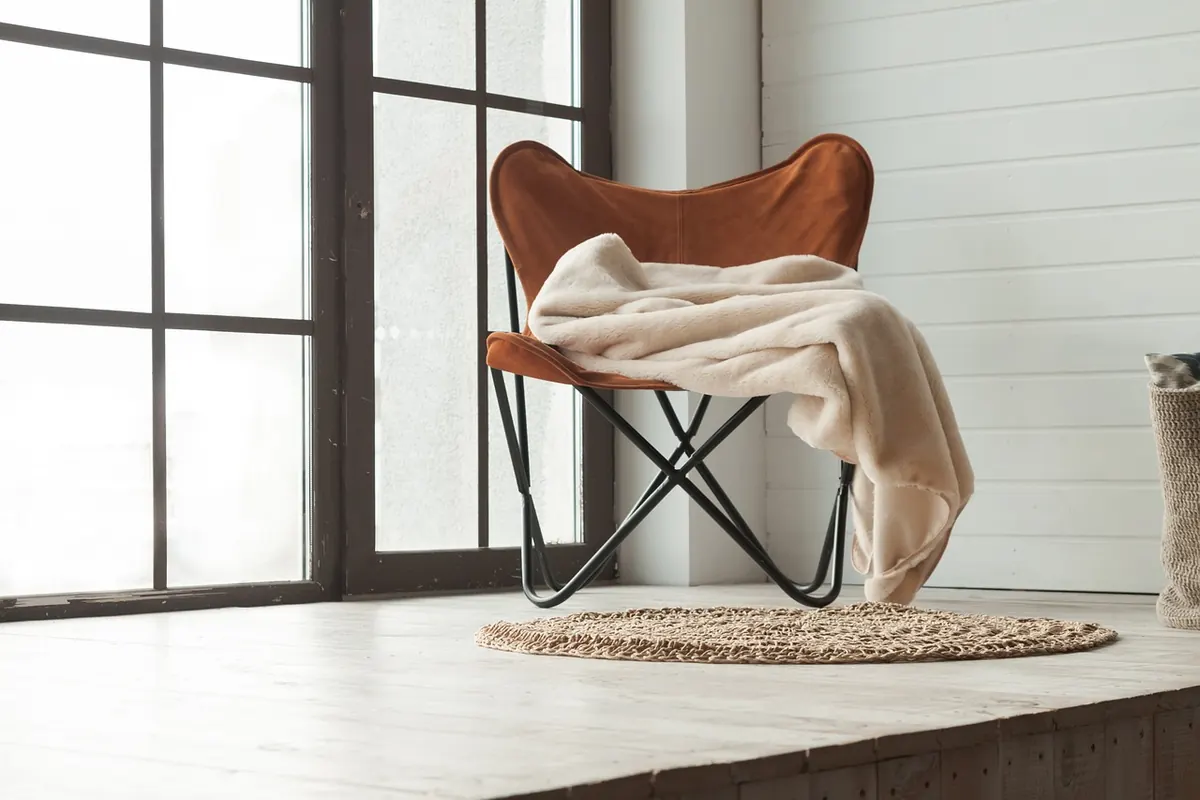
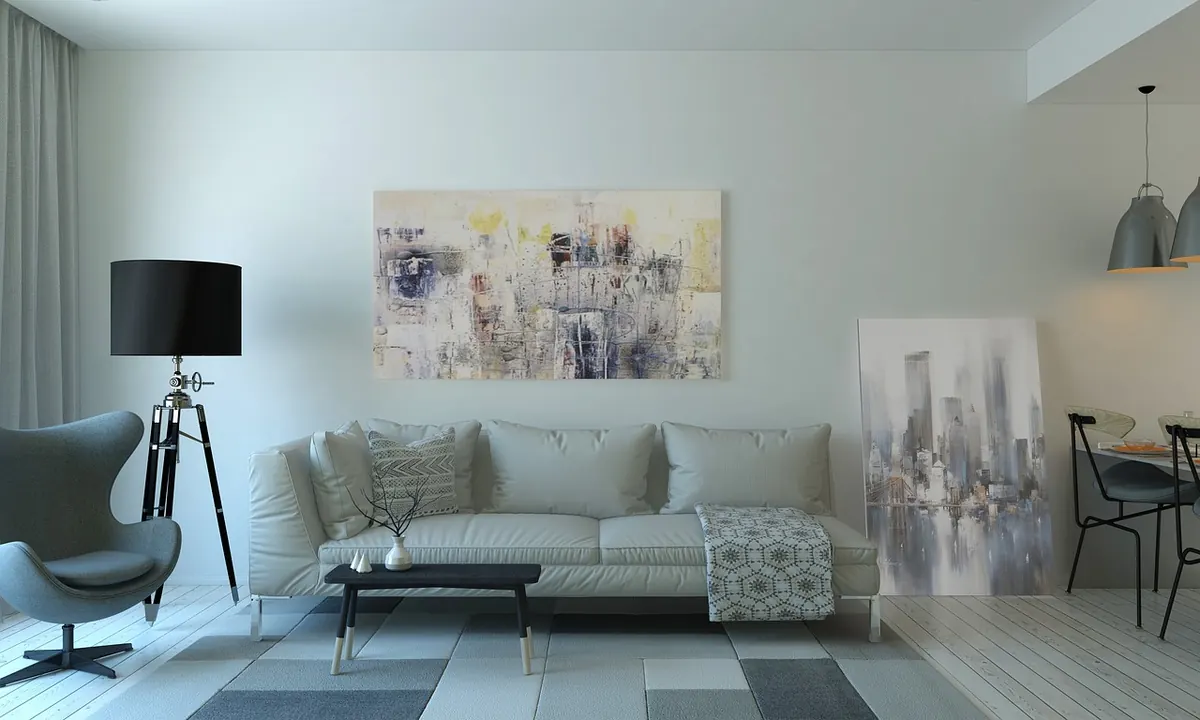
A north-facing living room gets a particular kind of light: steady, cool and often a little flat. The sun never lands on the sofa, and by mid-afternoon in winter the room can feel dim even with the lamps on. It doesn't have to feel chilly, though. The warmth has to come from somewhere other than the window — from the lighting, the colours, the fabrics and the way the furniture is arranged. Most of it can be done in a weekend, and very little of it costs much.
Start With the Daylight You Have
A large mirror on the wall opposite the window will bounce light back into the room; hung on the window wall itself, it does almost nothing. Keep the sill clear, wash the glass inside and out, and trim any shrub or fence outside that blocks the light. If the room is overlooked, replace heavy netting with a simple roller blind fitted above the frame, so you lose nothing when it's rolled up.
Then watch what the daylight lands on. Pale walls, a light sofa arm and a glass side table all spread it around, while a dark bookcase wedged against the window swallows it whole. Move bulky dark pieces to internal walls.
Layer Your Lighting Properly
One ceiling light in the middle of a north-facing room is the quickest way to make it feel bleak. Aim for three layers instead:
- Ambient — a dimmable ceiling fitting or a pair of wall lights for an even wash of light.
- Task — a floor or table lamp beside the chair you actually read in, and a small lamp at the sofa arm.
- Accent — an uplighter in the darkest corner, a picture light, or a low lamp on a sideboard.
Then check the bulbs. Look for warm white, around 2700K, and avoid anything labelled cool white or daylight, which copies the grey-blue cast you're trying to counter. Fit dimmers where you can, and in the evening switch off the overhead light and run two or three small pools of light instead. It reads as far cosier, and costs less to run.
Choose Warm Colours, Not Just Light Ones
The instinct in a dark room is to paint everything white, but the wrong white turns grey and institutional under northern light. Look for off-whites with a hint of yellow, pink or cream — oatmeal, chalk, soft biscuit — rather than blue-based brilliant white.
Warmer mid-tones work well on internal walls and wherever the light is weakest: clay, terracotta, mustard, soft olive. Deep colours are fine in small doses — a chimney breast, an alcove, the wall behind the sofa — where they add depth instead of swallowing what light there is. Keep ceilings lighter than the walls and use a warm off-white on woodwork.
Test paint on a decent patch of wall, not a postage stamp, and look at it in the morning, at dusk and under your lamps. North light shifts more through the day than you'd expect.
Add Texture Until the Room Feels Soft
Cold rooms are usually hard rooms: bare boards, smooth walls, echoing corners. Texture makes a space feel held and warm, even when the colours stay pale.
- Rug — large enough to sit under the front feet of the sofa and chairs. Wool, thick cotton or a wool blend. A thin rug on bare boards makes a room feel colder, not warmer.
- Curtains — lined, floor-length and wider than the window so they can be drawn right across. A track fixed near the ceiling cuts draughts and stops warmth disappearing upwards.
- Cushions — mix at least three textures: velvet, wool, bouclé, corduroy, linen. Vary the sizes.
- Throws — one folded over a sofa arm, one in a basket. Chunky knits earn their keep in winter.
- Anything soft — it absorbs echo. If a room sounds hollow when you talk in it, it will feel hollow too.
Check the floor as well. If you're replacing carpet, a wool mix over a decent underlay is money well spent in a room that never gets sun.
Rethink Where the Furniture Sits
Furniture pushed flat against every wall makes a room feel like a waiting area and leaves the middle cold and unused. Pull the sofa forward, angle a chair towards it, and let the seating form a loose group around the rug, so that conversation and lamplight sit in the centre.
Keep the space in front of the window as clear as you can. If you want a chair there, choose a slim, open-framed one rather than a high-backed armchair that blocks the glass. Leave a clear route to the door, too — a cramped layout reads as dark even when nothing about the light has changed.
Small Details That Warm a Room
Natural materials help: oak, ash, rattan, aged brass, stoneware, a wool blanket over a chair back. A few candles in plain holders on the mantelpiece add flicker and warmth, but never leave them burning unattended or close to curtains and soft furnishings, and keep them away from children and pets. Good-quality LED candles and a diffuser give a similar effect with none of the risk.
Plants work if you pick ones that tolerate low light — a snake plant, a peace lily, a pothos — rather than watching a sun-lover struggle. Books, framed pictures and a
Photo: Shyshkina / Pixabay