September 12, 2026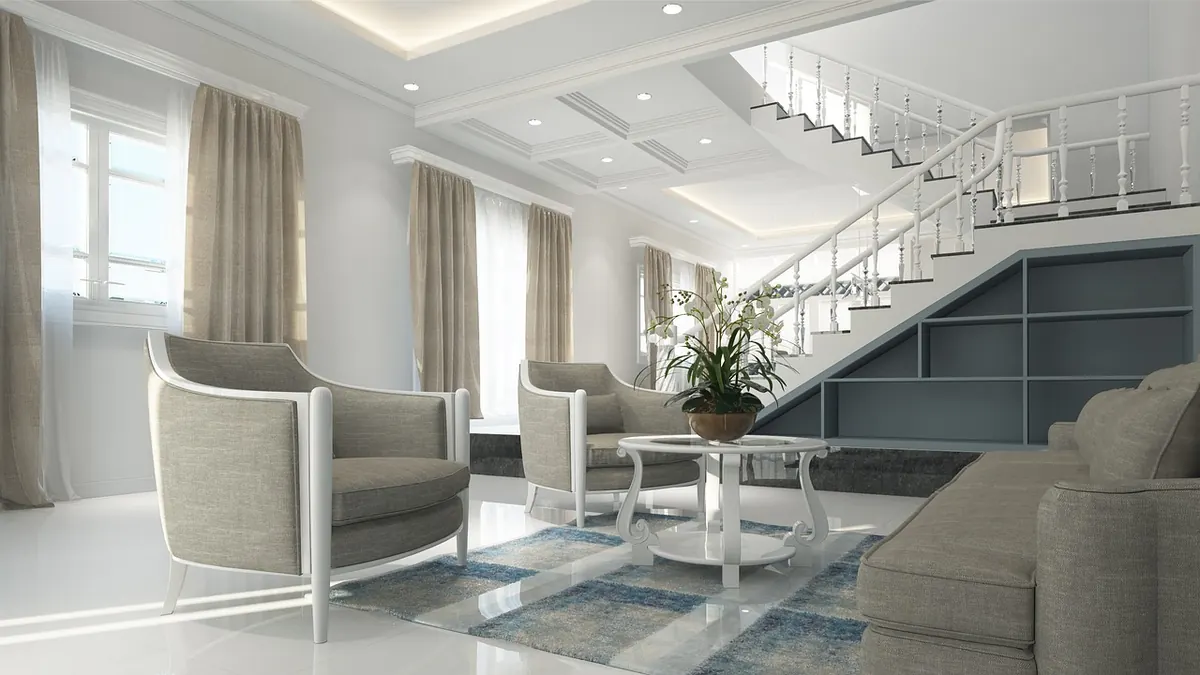
A Victorian terrace comes with quirks you learn to love: high ceilings, narrow hallways and a chimney breast in almost every room. That fireplace is often why people buy the house — and why they ring a chimney sweep a fortnight later. Choosing well means holding three things together: the look you want, how the chimney actually works, and the rules on burning fuel in a built-up area. Get them in the right order and the rest is straightforward.
Start with the chimney, not the fireplace
It is tempting to fall for a cast-iron insert online before you know whether the flue works. Resist it. In a terrace the stack is usually shared with next door, though the individual flues should be separate. Not every builder respected that, and a flue leaking into a neighbour's is both a nuisance and a safety problem.
Ask a registered sweep to sweep and smoke-test the flue first. Soot staining on wallpaper, a damp patch beside the breast, crumbly mortar in the loft or a nest at the top all justify a CCTV survey. At roof level, a pot with a cowl is good; an open pot invites rain and jackdaws.
Check whether you are in a smoke control area
Large parts of urban Britain are smoke control areas, and the rules are tighter than they were a decade ago. In simple terms, if your street is covered you may only burn authorised fuels or use an appliance exempted for the purpose — which is why so many modern stoves are sold as "Defra-exempt". Your council's environmental health team can confirm your address and what is currently permitted, so ask before you buy rather than trusting a retailer's summary.
Even outside a smoke control area, burn kiln-dried or properly seasoned wood stored under cover. Damp logs mean more tar, more smoke and more creosote in the flue.
Match the fireplace to the age of the house
Victorian covers a lot of ground, and fireplace fashions moved with it. Read your house's other clues — cornices, skirting depth, sash windows — before deciding what belongs in the front room.
Styles you will meet
- Cast-iron arched insert with tiled slips: a decorative iron frame, dust-pressed tiles and a slate or marble surround. The classic mid-Victorian arrangement.
- Register grate: an open fire set into an iron grate with a canopy, often with a hob. Efficient by open-fire standards and very much of the period.
- Late Victorian and Edwardian combinations: wider hoods, heavier casting, art nouveau curves — usually found in larger front rooms.
If an original survives, do not replace it out of hand. Plenty were boxed in behind stone cladding or hardboard in the 1970s, and a careful look underneath often reveals something worth restoring. Reclaimed inserts work well too, but measure the opening first: a casting 20mm too wide cannot be made to fit without cutting the surround, and that is a job you cannot undo.
Open fire, stove, gas or electric?
The fuel decides the flue, the hearth, the ventilation and the paperwork, so settle it before anything else.
- Open fire: unbeatable for atmosphere, poor for heat. Most of the warmth goes up the chimney, and it needs a strong draw and plenty of air. Treat it as a feature rather than a heating system.
- Wood-burning or multi-fuel stove: the practical compromise. An inset model keeps your period surround; a freestanding stove gives more heat and more control. Either usually needs a lined, insulated flue in an old terrace.
- Gas fire: controllable and clean, but it needs a working flue or a balanced flue through an outside wall. In a mid-terrace room with party walls, that rules some models out entirely.
- Electric fire: no flue, no sweeping, no ventilation to worry about — useful in bedrooms or where the chimney is beyond saving. It warms the room it sits in, not the house.
Sizing, hearths and clearances
An oversized stove is the commonest mistake. Too much power for the room means you either swelter or run it starved of air, which soots the glass and the flue. Ask your installer to work out the heat demand for the room rather than choosing by looks.
Clearances matter as much: combustible mantels, shelves and skirting need the distances set out in Approved Document J, which also governs hearths, flue routes and air supply. As a working rule, a solid fuel hearth extends about 300mm in front of the appliance and 150mm to each side, but the exact figure depends on the model. A television above a working fire is usually a mistake; heat and soot are unkind to electronics.
Ventilation, damp and unused chimneys
Old flues draw air whether or not you light a fire. A chimney that is blocked up and left unventilated is a reliable route to a damp patch on the breast. If you are not using it, fit a ventilated cap at the top and a vent at the bottom so air can pass through. A working solid fuel appliance may need a permanent air vent of its own.
Whatever you install, fit carbon monoxide alarms in the room with the appliance and in any bedroom above it. Solid fuel work should be carried out by a HETAS-registered installer and gas work by a Gas Safe registered engineer, and it is worth telling your insurer once the job is done.
A sensible order of work
- Have the flue swept and tested, and deal with any structural problems first.
- Confirm your address's smoke control status with the council.
- Choose the fuel and appliance type, then pick a surround to suit the room.
- Get two or three quotes from registered installers, and ask exactly what is included: liner, insulation, hearth, cowl, making good.
- Book the installation, then keep up annual sweeping and servicing.
Followed in that order, a Victorian fireplace stops being a risk and becomes the best thing about the room: warm on a winter evening, honest about its age, and safe behind the scenes.
Photo: 4787421 / Pixabay