September 15, 2026
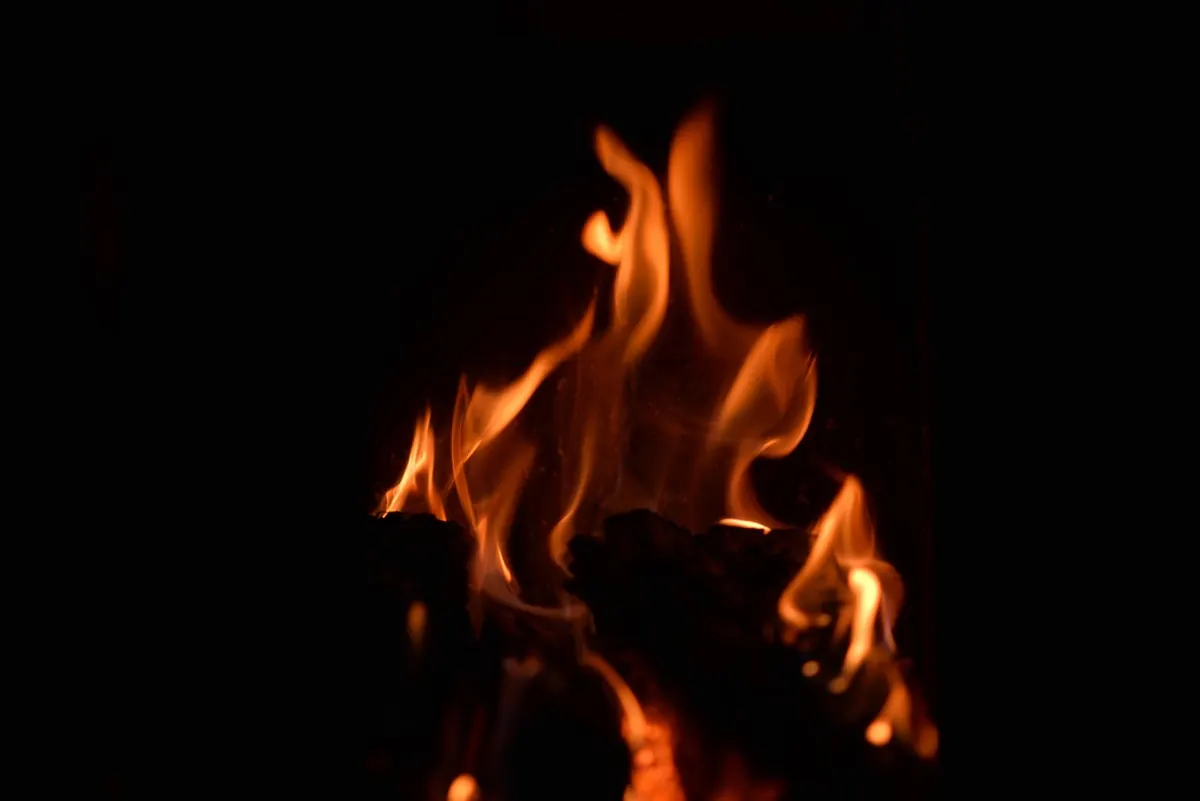
A wood fire is one of the great small pleasures of a British winter: the crackle, the smell, the dog stretched out in front of the hearth. Then the heating bill arrives and pleasure turns into arithmetic. A log burner almost always costs less per hour of usable heat, but it costs more to buy and fit. An open fire costs nothing extra if you already have a working fireplace, and then quietly eats logs all winter. Which one is cheaper for you depends on your chimney, your fuel supply and how often you light up.
Start with where the heat actually goes
An open fire has a fundamental flaw: most of the heat it produces disappears up the chimney. It needs a fast-moving draught to stop smoke spilling into the room, and that air carries warmth with it. You also pay for the cold air the fire pulls in through doors, floorboards and extractor fans — which is why the rooms furthest from the fireplace can feel colder when it is lit.
A stove is a closed box. Vents let you control the air, so the fire burns hotter and more completely, and the metal body radiates heat into the room. Flue gases leave at a lower temperature, so less of your fuel's energy is thrown away. Two or three logs in a stove can match the warmth of a full basket on an open grate. For the same room temperature from an open fire, expect to burn considerably more wood.
Fuel costs: the one calculation worth doing
Don't compare the price of a bag of logs with another bag of logs. Compare cost per kilowatt-hour of heat delivered, because that is what you actually feel:
- Note what you pay for a load — a bulk bag, a crate, a cubic metre of stacked logs.
- Estimate the energy in it. Dry wood holds roughly 4–5 kWh per kilogram, so a bulk load represents a serious amount of stored heat.
- Adjust for the appliance. An open fire sends the majority of that energy up the flue; a modern stove wastes far less.
- Divide the price by the usable kilowatt-hours. That figure is your real running cost.
Then do the same for your gas boiler or electric heater. Keep the comparison honest: if you have mains gas, a stove rarely beats it for heating a whole house. Where a stove earns its keep is warming one room well, cutting the hours the central heating runs, and keeping you warm when the power goes off.
Free wood changes everything. Offcuts, windfall and pallets from a friendly builder can make solid fuel the cheapest heat in the house — but only burn untreated, unpainted timber. Treated, painted or laminated wood and household rubbish can damage the appliance and the flue.
The wood you burn matters as much as the appliance
Wet wood is expensive wood. The heat from your fire goes into boiling off the water before it warms the room, and the steam cools the flue. Aim for moisture below about 20 per cent.
- Kiln-dried logs are ready to burn now and give predictable heat.
- Seasoned logs need a year or two stacked somewhere airy, off the ground and covered on top only, so wind blows through the sides.
- Look for the Ready to Burn mark on bagged wood sold in small volumes in England, which confirms it is properly dried.
- Buy a moisture meter. They are inexpensive; split a log and test the freshly exposed inside, not the surface.
Buying in spring or summer, when demand is low, is one of the simplest ways to cut your cost per hour.
Maintenance, sweeping and the jobs nobody mentions
An open fire means daily ash, a gritty hearth and more frequent sweeping. A big open flue runs cooler, so soot and tar build up faster. Stoves need less emptying, but the glass wants cleaning, and rope seals, firebricks and baffle plates eventually need replacing.
As a rule of thumb, have the chimney swept at least once a year — twice if you use an open fire regularly or burn a lot of wood. Use a registered sweep, and keep the certificate; many home insurers ask for evidence of maintenance. Burning wet wood or slumbering a stove overnight produces tar and raises the risk of a chimney fire. Fit a carbon monoxide alarm near the appliance whatever you burn.
Installation and the rules that catch people out
An open fire may already be there, but plenty of older fireplaces have been blocked, capped or left with a damaged flue. A stove usually needs a lined chimney, a register plate, a suitable hearth and enough ventilation. Stoves rated above 5kW often require a permanent air vent, which matters in a well-sealed modern home.
Location matters as much as hardware. Large parts of England's towns and cities are Smoke Control Areas, where you may only burn authorised smokeless fuel or use an exempt appliance — so a wood-burning stove has to be on the exempt list to be legal there. Rules differ in Scotland, Wales and Northern Ireland, and listed buildings or conservation areas may need consent for an external flue. Check with your local authority before you buy, and use a registered installer who can certify the work meets building regulations. If your property is unusual, take professional advice.
So which is cheaper to run?
- Cost per hour of the same warmth: the log burner wins, usually by a wide margin.
- Upfront cost: the open fire wins, provided the fireplace and flue are sound.
- If you have free dry wood: the stove still wins, because it turns more of it into heat and less into smoke.
- Effort: the stove is cleaner, more controllable and needs less fuel handling.
- Atmosphere: the open fire wins. That is not a trivial point if it is why you light it.
A practical way to decide
Be honest about how you will use it. If you light a fire a few times a month for the look of it, and your fireplace is in good order, an open fire is hard to beat on cost and charm. If you want warmth on most winter evenings, run the stove hard and let it heat the room properly. Get a sweep in to inspect the flue, measure your room, work out your cost per kilowatt-hour with real prices, and get two quotes from registered installers before committing. Then choose the fire you will actually enjoy using — because the cheapest appliance in the world is no saving if you never light it.
Photo: manbob86 / Pixabay